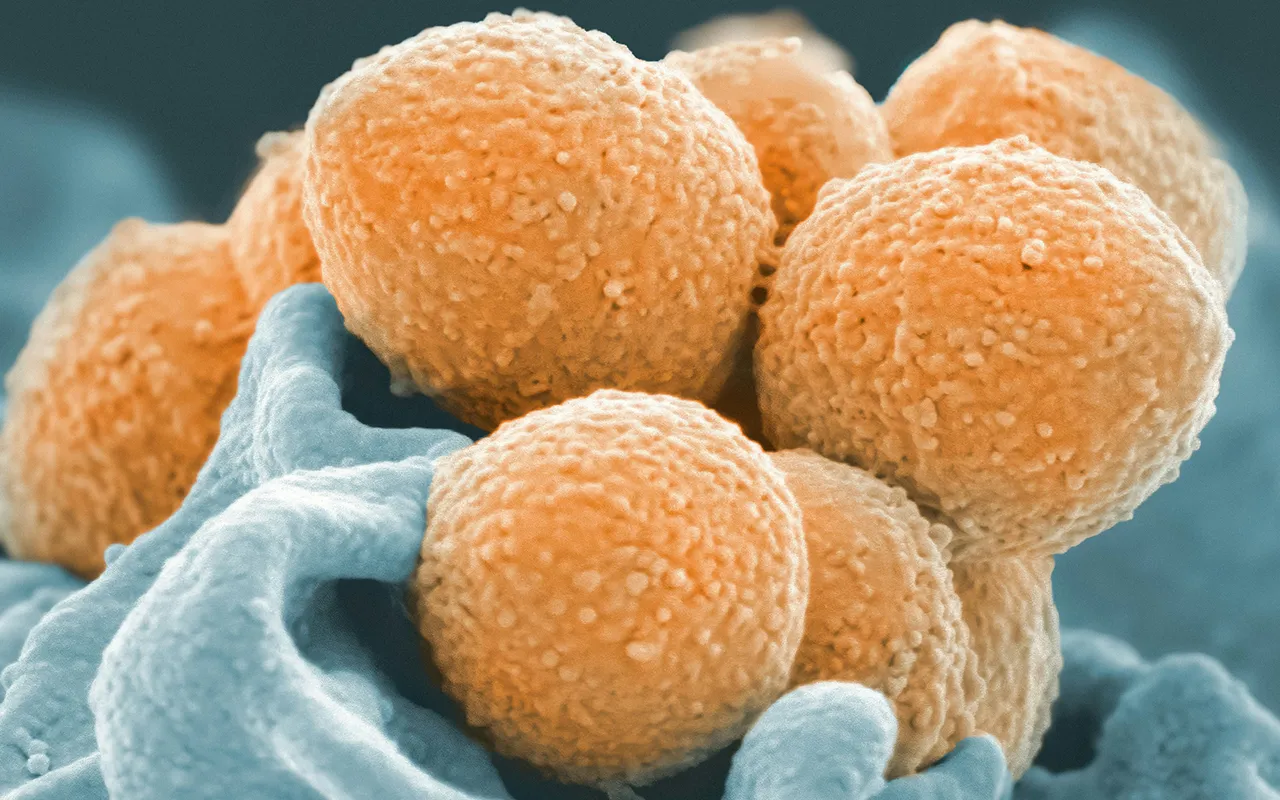
Meet your dog's microscopic allies: common bacteria in the canine gut.
Every dog's gut contains thousands of different bacterial species working together to support health. Understanding these microscopic residents helps you make informed decisions about your dog's nutrition and wellness journey while appreciating the complex ecosystem that influences their overall wellbeing.
Understanding bacterial identification and analysis.
Modern microbiome analysis uses advanced sequencing technology to identify and categorize the bacterial communities in your dog's gut. Understanding how this identification works helps you better interpret your dog's microbiome results and health insights.
Bacterial Classification System
Scientists classify bacteria using a hierarchical system: phylum (large groups) → family → genus → species. Each level provides increasingly specific information about the bacteria's characteristics, functions, and relationships within the gut ecosystem.
Genus-Level Resolution
Standard microbiome analysis typically identifies bacteria at the genus level, which provides sufficient detail for most health insights. This level of identification allows us to understand bacterial functions and make informed nutrition recommendations.
Advanced Analysis for Deeper Insights
While genus-level identification meets most health assessment needs, more detailed species or strain-level analysis is possible with advanced sequencing methods. This deeper analysis can provide additional insights for specific health conditions or research applications when beneficial.
The primary bacterial families in canine guts.
Most canine gut bacteria belong to four major phyla, each with distinct characteristics and functions. Understanding these primary groups helps interpret your dog's microbiome composition and overall gut health balance.
Firmicutes
The most abundant bacterial phylum in healthy canine guts, representing 40-60% of the total microbiome. This group includes many beneficial bacteria that produce important compounds supporting gut health, immune function, and overall wellness.
Bacteroidetes
Essential for fiber digestion and immune function, typically comprising 20-40% of the canine gut microbiome. These bacteria excel at breaking down complex carbohydrates and producing beneficial short-chain fatty acids that support intestinal health.
Proteobacteria
A diverse group containing both beneficial and potentially concerning bacteria, normally present in small amounts (1-10%). While some members support health, significant increases in this phylum may indicate microbiome imbalance requiring attention.
Actinobacteria
Includes many well-known probiotic species that support digestive health and immune function. Though typically representing a smaller percentage of the total microbiome (1-5%), these bacteria play important roles in maintaining gut health balance.
Balance and Ratios Matter Most
Healthy canine microbiomes often maintain similar ratios between these major phyla. Significant deviations from typical patterns may indicate dysbiosis and opportunities for nutritional, supplementation, or other types of support to restore optimal balance.
What's normal isn't always universal.
Understanding your dog's microbiome requires species-specific knowledge. Bacteria that might be concerning in humans can be completely normal and beneficial in dogs, highlighting the importance of canine-specific reference data for accurate health assessments.
Species-Specific Differences
Dogs, humans, and other animals have evolved different microbiome compositions suited to their unique digestive systems, diets, and metabolic needs. What's healthy for one species may not apply to another.
Individual Variation
Even within the same species, individual dogs show microbiome variations based on genetics, age, diet, environment, breed characteristics, and other factors. Understanding normal ranges accounts for this natural diversity.
Canine Reference Data
Accurate health assessments require comparison to established canine reference populations rather than human or general mammalian data. This ensures relevant and actionable insights for your dog's health.
It's not just what's there, but how much.
The presence of specific bacteria matters less than their abundance relative to other microorganisms. Even potentially concerning bacteria can be normal in small amounts, while beneficial bacteria can become problematic if they grow out of balance with the rest of the microbiome community.
Normal Low-Level Detection
•
Expected Presence
Many bacteria considered "concerning" in high amounts are normally present at
low levels in healthy dogs
•
Competitive Balance
Beneficial bacteria help keep potentially harmful organisms in check through
competition for resources and space
•
Threshold Effects
Problems typically arise when specific bacteria exceed normal abundance
thresholds relative to the total microbiome
Dysbiosis and Imbalance Patterns
•
Ratio Disruptions
Dysbiosis occurs when the normal ratios between beneficial and potentially
harmful bacteria become imbalanced
•
Diversity Loss
Reduced overall bacterial diversity often accompanies dysbiosis, making the gut
more susceptible to problematic overgrowth
•
Common Triggers
Antibiotics, poor diet, stress, allergies, and other factors can disrupt healthy
bacterial balance
Reference Population Analysis
We compare your dog's bacterial abundance patterns to established reference populations of normal and abnormal canine samples. This comparison helps identify potential imbalances and opportunities for nutritional support to restore optimal microbiome balance.
Common gut bacteria categories.
Understanding the roles of different bacterial groups helps interpret your dog's microbiome analysis. Each category serves different functions in supporting or potentially challenging your dog's gut health and overall wellness.
Beneficial & Probiotic Bacteria
+
Bifidobacterium
Beneficial bacteria supporting immune function and digestive health through vitamin synthesis, pathogen resistance, and immune modulation.
Key Functions: B vitamins production, gut barrier support
Common Species: B. bifidum, B. longum
+
Lactobacillus
Well-known probiotic bacteria that support gut barrier function through lactic acid production, pH regulation, and pathogen inhibition.
Key Functions: Digestive support, antimicrobial protection
Common Species: L. acidophilus, L. casei, L. plantarum
+
Enterococcus
Probiotic bacteria that support digestive comfort and immunity through digestive enzyme production and immune system support.
Key Functions: Enzyme production, immune modulation
Common Species: E. faecium (commonly used in probiotics)
+
Pediococcus
Beneficial bacteria that support gut health through antimicrobial compound production and gut barrier maintenance.
Key Functions: Natural preservation, barrier support
Common Species: P. acidilactici, P. pentosaceus
Typical & Neutral Bacteria
=
Bacteroides
Common gut bacteria essential for fiber digestion through complex carbohydrate breakdown and beneficial short-chain fatty acid production.
Key Functions: Fiber fermentation, metabolism support
Typical Role: Major component of healthy canine microbiomes
=
Clostridium
Large bacterial group with both beneficial and concerning members. Functions vary by species, with some producing beneficial compounds while others require monitoring.
Key Functions: Species-dependent roles
Note: Mixed group requiring species-level analysis
=
Faecalibacterium
Important beneficial bacteria that produce anti-inflammatory compounds, particularly butyrate, which supports intestinal health and immune function.
Key Functions: Anti-inflammatory support, gut health
Note: Often reduced in dysbiotic conditions
=
Prevotella
Fiber-fermenting bacteria common in healthy canine guts, supporting plant polysaccharide digestion and metabolic functions.
Key Functions: Plant fiber digestion, metabolism
Note: Abundance varies with diet composition
Concerning & Monitoring Bacteria
!
Escherichia
Bacterial group including E. coli, normally present in small amounts but potentially problematic when abundant. Overgrowth may indicate dysbiosis.
Normal Role: Usually neutral in small quantities
Concern: High abundance indicates imbalance
!
Campylobacter
Bacteria that can cause digestive upset when present in significant amounts. Regular monitoring recommended as levels increase.
Functions: No beneficial roles identified
Concern: Associated with digestive issues
Clostridium perfringens
Specific Clostridium species that can produce toxins affecting gut health. Overgrowth associated with digestive upset and microbiome imbalance.
Functions: Can produce harmful toxins
Concern: Linked to digestive problems
Salmonella
Pathogenic bacteria that should be minimal or absent in healthy dogs. While dogs are more resistant than humans, presence still warrants attention.
Functions: No beneficial functions
Concern: Potential health risk requiring monitoring
How we interpret bacterial communities.
Understanding your dog's bacterial communities requires comprehensive analysis that goes beyond simple presence or absence. Our approach combines multiple factors to provide meaningful insights about your dog's gut health status and potential optimization opportunities.
Reference Population Comparisons
We compare your dog's microbiome composition to established reference populations of normal and abnormal canine samples. This comparison helps identify patterns that may indicate opportunities for nutritional support or potential health concerns requiring attention.
Abundance Ratios and Diversity Metrics
We analyze the relative abundance of different bacterial groups and overall microbiome diversity. These metrics provide insights into gut health stability and resilience, helping identify imbalances that may benefit from targeted nutrition strategies.
Trend Monitoring Over Time
Regular monitoring reveals changes in your dog's microbiome composition over time. Understanding these trends helps identify the effects of dietary changes, life events, or environmental factors on gut health balance.
Health Status Integration
We integrate microbiome data with information about your dog's symptoms, diet, lifestyle, and health history. This comprehensive approach provides context for interpreting bacterial patterns and developing personalized nutrition recommendations.
Tracking your dog's bacterial balance.
Regular microbiome monitoring helps establish your dog's baseline bacterial patterns and track changes over time. Understanding these patterns enables proactive nutrition adjustments and collaborative discussions with your veterinary team about your dog's gut health status.
Baseline Establishment
Initial microbiome analysis establishes your dog's unique bacterial fingerprint, providing a foundation for tracking future changes and identifying optimization opportunities through personalized nutrition approaches.
Change Detection
Regular monitoring identifies shifts in bacterial populations that may indicate responses to dietary changes, health status variations, or environmental factors affecting gut health balance.
Veterinary Collaboration
Comprehensive microbiome data supports collaborative discussions with your veterinary team, providing valuable insights that can inform health assessments and care decisions throughout your dog's wellness journey.
Comprehensive Gut Health Monitoring
Our monitoring approach combines bacterial analysis with practical health observations like stool quality assessment and wellness tracking. Explore our gut health monitoring solutions for comprehensive microbiome insights.
Expert guidance for microbiome health optimization.
Understanding your dog's bacterial communities is just the beginning. Our nutrition specialists translate complex microbiome data into practical guidance, creating personalized nutrition strategies that support optimal bacterial balance and overall gut health throughout your dog's life.
Personalized Nutrition Plans
Your dog's unique bacterial profile can inform targeted nutritional, supplementation, or other strategies, including specific prebiotic, probiotic, and postbiotic recommendations designed to support their individual microbiome needs.
Ongoing Monitoring and Adjustment
Regular microbiome analysis tracks the effectiveness of interventions, enabling continuous optimization of your dog's gut health support strategies as their needs evolve.
Science Made Accessible
Our experts translate complex bacterial analysis into clear, actionable guidance that any pet parent and their veterinary teams can understand with confidence, making gut health achievable for every family.
Comprehensive Wellness Partnership
Our approach extends beyond bacterial analysis to comprehensive wellness support. Learn more about our personalized nutrition approach and how microbiome science informs our strategies for supporting your dog's good health throughout their whole life.
Ready to discover your dog's unique bacterial community?
Understanding your dog's microscopic allies is the first step toward optimizing their gut health and overall wellness. Discover how microbiome analysis reveals personalized nutrition opportunities that support your dog's unique bacterial ecosystem throughout their life.
Explore Microbiome Testing
Analyze your dog's bacterial community
Start Microbiome Journey
Personalized nutrition for gut health